Address
1, Obasa Street, Anifowoshe, Ikeja
Lagos, Nigeria
Work Hours
Monday to Friday: 9AM - 5PM
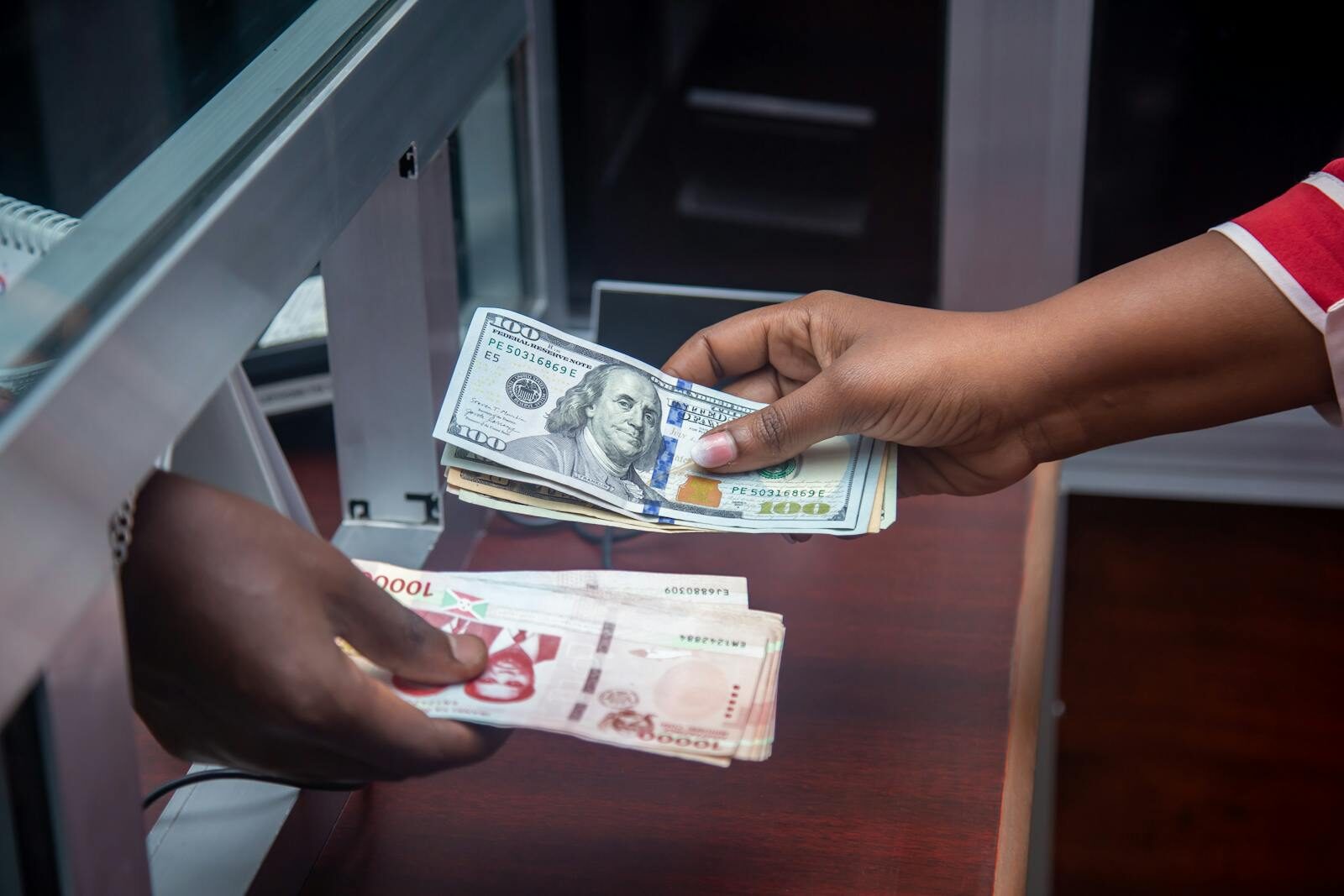
In 2026, every Nigerian IT Manager and Business Owner shares a common headache: Sticker Shock. Even with the relative stabilization of the Naira around the ₦1,400-₦1,550/$ mark, the ripple effects of past volatility and global supply chain shifts mean that enterprise hardware servers, switches, and high-end laptops remains a major capital expenditure.
Buying “cheap” to save Naira today often leads to spending triple on maintenance and replacements tomorrow. To build a resilient office without draining your reserves, you need a procurement strategy built for the current economic climate.
The biggest mistake in a high-inflation environment is focusing only on the receipt. If a ₦600,000 laptop fails in 18 months, but a ₦1,750,000 enterprise-grade workstation lasts 5 years, the “expensive” option is actually cheaper.
The Rule: Factor in power consumption, license renewals, and support costs over 60 months. In 2026, energy-efficient hardware isn’t just “green” it’s a survival tactic against rising electricity and diesel costs.
Procuring five different brands of laptops for a 20-person team is a maintenance nightmare.
Don’t wait for your entire network to crash before you buy gear. With the current inflation trends, “lumpy” spending is risky. Instead, adopt a Phased Procurement Cycle:
In 2026, the gap between “Brand New” and “Fairly Used” enterprise-grade hardware has narrowed in terms of reliability, but the price gap remains huge.
Exchange rates can shift overnight. For high-turnover items like Cat6 cables, patch cords, and UPS batteries, it is often smarter to buy a 6-month supply when the Naira is strong. These items don’t “spoil,” and having them in-house prevents project delays when local prices spike.
Don’t Let Hardware Costs Freeze Your Growth.
Procurement in 2026 requires a partner who understands both the technical specs and the Nigerian market dynamics. Six-Cores helps you navigate these shifts with transparent pricing and hardware roadmaps that fit your budget.
Ready to plan your next hardware refresh? Let’s look at your current “Specs” and build a phased procurement plan that works.
Subscribe to get the latest posts sent to your email.